You’re standing in a department store, probably Macy's or Bloomingdale’s, and you see two blazers. Both have that unmistakable "RL" vibe. Both look sharp. But one is half the price of the other. You look at the tags. One says Lauren Ralph Lauren and the other says, well, just Ralph Lauren (or maybe it has a little polo player on it).
Confusion sets in. Is one a fake? A knockoff? Did someone just forget a word on the label?
Honestly, it’s one of the most common head-scratchers in the fashion world. The Ralph Lauren empire is massive, and they’ve sliced and diced their brand into so many sub-labels that you practically need a PhD in textiles to figure out what you're actually buying. But don't worry—it’s not a scam. It’s just "brand architecture," as the corporate folks say. Basically, it’s about who the clothes are for and how much they cost to make.
The Secret Hierarchy of the RL Universe
Let's get one thing straight right away. Ralph Lauren is the parent company, but it’s also the name people use for the high-end stuff. Lauren Ralph Lauren (LRL) is what’s known as a "diffusion line."
Think of it like this: if Ralph Lauren is the five-star steakhouse, Lauren Ralph Lauren is the really nice bistro owned by the same chef. The vibe is similar, but the ingredients and the price tag are different.
Back in the day, LRL was actually a licensed brand. A company called Jones Apparel Group used to make it. Ralph eventually took it back in-house, but the mission stayed the same: make the "Ralph Look" accessible to people who don't want to drop $4,000 on a Purple Label suit.
Breaking Down the Labels
- Lauren Ralph Lauren (The Green or Black Label): This is the "approachable" line. You’ll find it in most major department stores. It focuses heavily on women’s career wear—think office-ready dresses, blazers, and handbags. It’s stylish, but the materials are often synthetic blends rather than 100% Italian silk or cashmere.
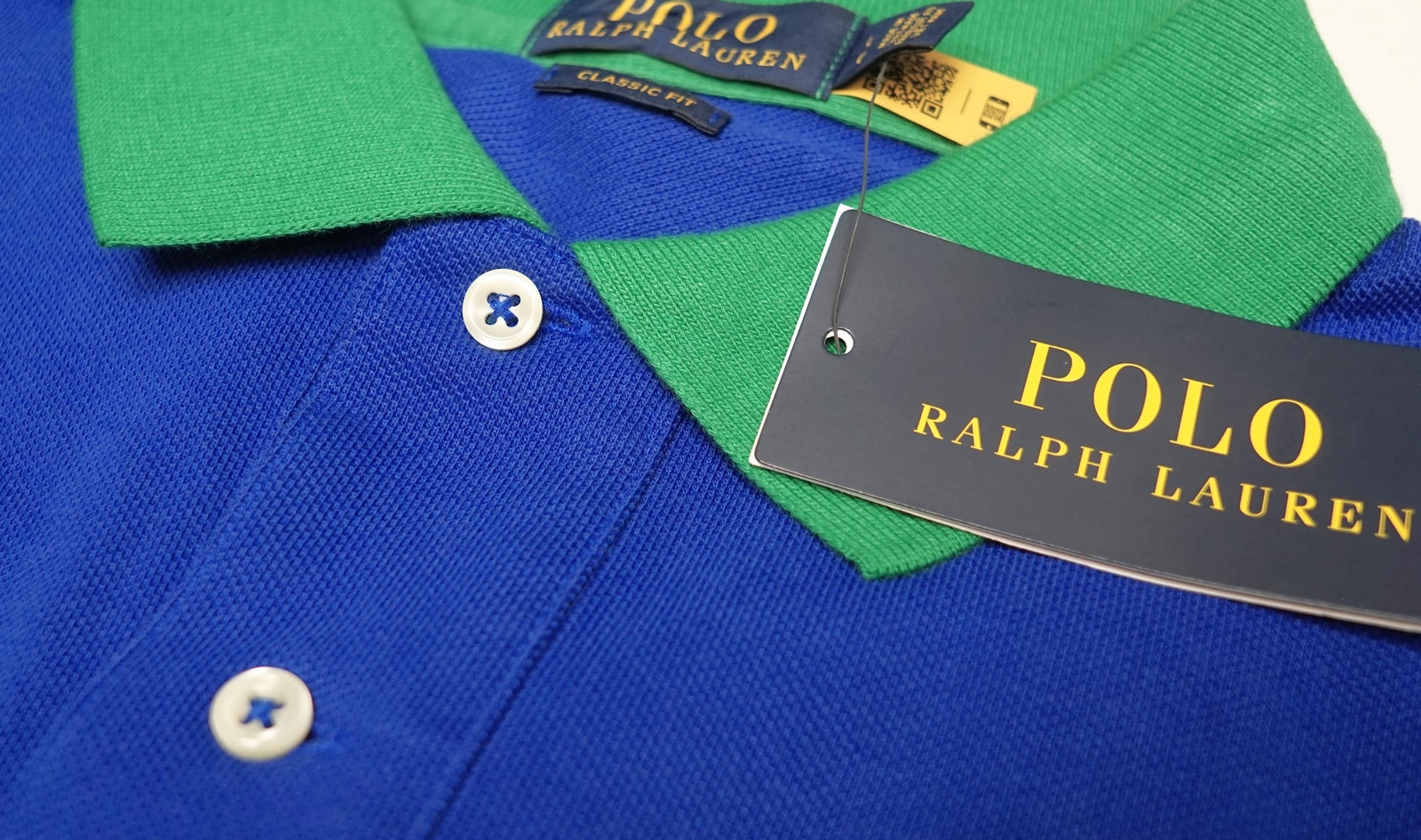
- Polo Ralph Lauren (The Blue Label): This is the heart of the brand. It’s the stuff with the polo player logo. It’s preppy, it’s classic, and it’s generally better quality than the LRL line. It’s also where you get those iconic cable-knit sweaters.
- Ralph Lauren Collection / Purple Label: This is the peak. We’re talking handmade in Italy, the finest fabrics on the planet, and prices that could pay for a decent used car. If you see a label that is literally purple, you’re looking at the top tier.
- Double RL (RRL): This is Ralph's personal obsession. It’s rugged, vintage-inspired workwear. Think high-end denim, leather jackets that look like they survived a dusty ranch, and old-school flannels.
The Quality Gap: Is It Real?
Yes. It’s very real.
If you compare a Lauren Ralph Lauren sweater to a Polo Ralph Lauren or Purple Label piece, you’ll notice the difference the second you touch it.
LRL pieces often use "poly-blends." That’s fashion-speak for "some plastic is mixed in here." It’s not necessarily a bad thing—synthetics can help clothes hold their shape and resist wrinkles in a suitcase—but it won't feel as breathable or luxurious as the higher-end lines.
The construction is also different. On the top-tier lines, you’ll see hand-stitched details, reinforced seams, and buttons made of real horn or mother-of-pearl. On the LRL line, the buttons are usually plastic, and the stitching is done quickly by machine.
But here’s the kicker: for a lot of people, the LRL quality is fine. If you need a blazer for a job interview or a dress for a wedding you’re only going to wear twice, why spend $900 when $150 gets you the same silhouette?
Why Does Lauren Ralph Lauren Exist?
Money. Pure and simple.
Not everyone can afford luxury, but everyone wants to feel like they’re part of that world. By creating Lauren Ralph Lauren, the company can sell to millions of customers who shop at Kohl’s or Macy’s without "polluting" the exclusivity of their Purple Label runway collections.
It’s a smart business move. It keeps the company profitable so they can keep making the high-end art pieces that the rest of the fashion world drools over.
A Warning for Thrifters
If you’re hunting on Poshmark or eBay, be careful. Some sellers will list "Lauren Ralph Lauren" items as "Ralph Lauren Black Label."
They aren't the same. Black Label (which is mostly discontinued now) was a high-end, slim-fitting luxury line that sat just below Purple Label. Lauren Ralph Lauren also uses a black tag sometimes, but it’s the budget-friendly version. Look at the font. If it says "Lauren" in big letters with "Ralph Lauren" underneath, it’s the diffusion line. If it just says "Ralph Lauren" in a specific, sleek font, you might have found a vintage luxury gem.
Which One Should You Buy?
It depends on your lifestyle. Really.
If you’re building a "forever wardrobe"—those pieces you want to give to your kids one day—skip the LRL. Save up for the Polo line or hunt for Purple Label on deep clearance. The natural fibers and better construction mean those clothes will actually last decades if you take care of them.
However, if you’re just trying to look professional at work and you’re on a budget, Lauren Ralph Lauren is a solid choice. It looks way better than fast-fashion brands like Zara or H&M, and the tailoring is usually pretty consistent. It’s the "sensible" choice.
Quick Verdict
- Choose Ralph Lauren (Polo/Collection/RRL) if you value craftsmanship, natural fabrics, and longevity.
- Choose Lauren Ralph Lauren if you want the classic aesthetic at a price that doesn't make your bank account cry.
Your Next Steps for a Better Wardrobe
Stop looking at the brand name and start looking at the "Care & Content" tag inside the garment. This is the ultimate truth-teller.
- Check the fabric: If it’s more than 20% polyester or acrylic, it’s probably LRL or a lower-tier Polo piece. Aim for 100% wool, cotton, or linen.
- Inspect the seams: Turn the garment inside out. Are there loose threads? Is the stitching uneven? If so, the price should be low.
- Feel the weight: Quality fabric usually has some "heft" to it, even if it's a light summer linen. If it feels like paper, put it back.
The label tells you the status, but the fabric tells you the value. Now that you know the difference, you can shop the racks with a lot more confidence and a lot less confusion.