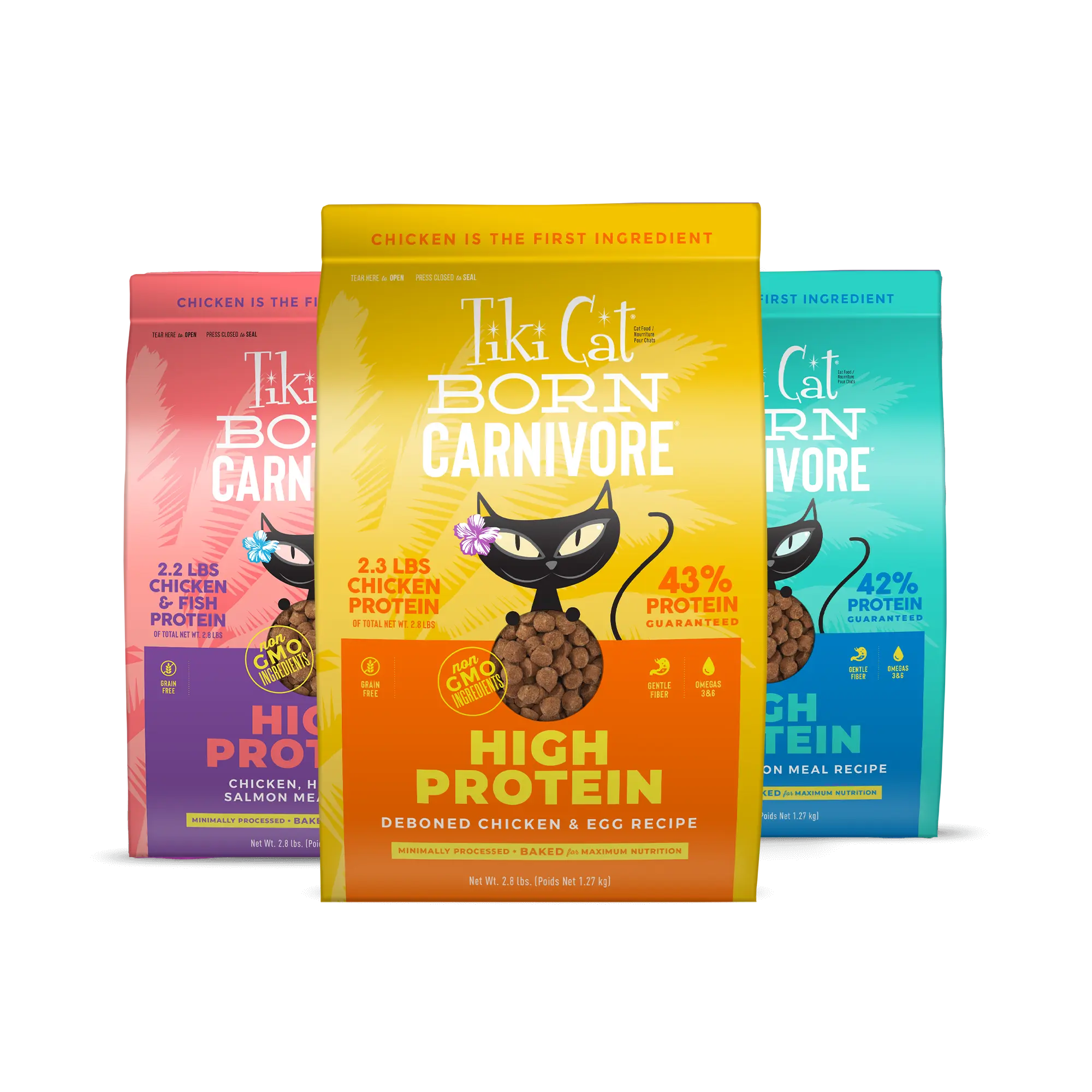
You’re staring at that colorful can of Luau Succulent Chicken, or maybe the After Dark shredded beef, and that nagging voice in the back of your head starts whispering about safety. We’ve all been there. It’s the "pet parent panic" that hits every time we see a headline about contaminated kibble or heavy metals. If you are searching for a Tiki Cat food recall, you are likely looking for a specific answer: Is my cat safe?
The short answer is a bit surprising.
Honestly, Tiki Cat has managed to stay remarkably clean in an industry that feels like it’s constantly dodging lawsuits and salmonella outbreaks. While other massive brands have had to pull millions of cans off the shelves for everything from toxic levels of Vitamin D to shards of metal, Tiki Cat—owned by Whitebridge Pet Brands—has a track record that most manufacturers would kill for. They’ve never had a major, wide-scale FDA recall. It’s rare. It’s almost unheard of for a brand that’s been around since 2005.
But that doesn't mean it's all sunshine and rainbows. There are nuances here that most "top ten" review sites won't tell you because they’re just chasing affiliate clicks.
The Reality of the Tiki Cat Food Recall History
Let’s get the facts straight. As of early 2026, there is no active, nationwide FDA recall for Tiki Cat products.
If you go digging through the FDA’s archives or the Enforcement Reports, you won’t find Tiki Cat on the "naughty list" alongside brands like Hill’s Science Diet or Purina. This is a huge deal. Why? Because Tiki Cat specializes in high-moisture, high-protein diets. Canning meat is a volatile process. One slip in the pressure-cooking stage or a tiny seal failure, and you've got a botulism risk.
Whitebridge Pet Brands, which also manages brands like Revel and Dogswell, produces much of the Tiki line in Thailand. Now, before you panic about "made in Thailand," you need to understand the context. Thailand is actually a global leader in human-grade seafood canning. The facilities Tiki Cat uses are often "human-grade" certified, meaning the hygiene standards are theoretically higher than the rendering plants used for "feed-grade" kibble in the US.
The only "hiccup" in their history isn't even a recall. Back in 2021 and 2022, some owners complained about consistency issues. Some cans were soupier than others. A few people on Reddit claimed their cats got sick, but without an official veterinary necropsy or laboratory testing of the specific batch, those remain anecdotal.
Why People Think There Was a Recall
It’s the Mandela Effect for cat owners. Sometimes a specific retailer, like PetSmart or Petco, might pull a pallet from the floor because of shipping damage. This isn't a recall. It's just a "we don't want to sell dented cans" move.
Another reason for the confusion? The 2007 Melamine crisis. That disaster tarnished almost every brand in the industry. Tiki Cat was tiny back then, but because they operate in the premium space, people often lump them in with the general "premium food" recalls that happened years ago.
What to Look for if You’re Worried
Even without a formal Tiki Cat food recall, you shouldn't just blindly trust every can. Quality control isn't 100% perfect anywhere. Ever.
If you open a can of After Dark or Born Carnivore, use your senses.
- The Sizzle: When you crack the tab, do you hear a hiss? A little bit of vacuum release is normal. A loud "pop" or liquid spraying out is a massive red flag for bacterial gas.
- The Smell: Tiki Cat smells like actual food. If it smells like ammonia or rotting garbage, toss it. Don't "see if they'll eat it."
- The Look: Their food is known for being "identifiable." You should see actual shrimp, actual shreds of chicken, or chunks of organ meat. If it looks like a grey, homogenized paste and it’s supposed to be a Luau shredded variety, something is wrong with that batch.
I’ve talked to vets who actually prefer Tiki because of the lack of "mystery meat." When you can see the muscle fiber, it’s harder for a manufacturer to hide low-quality by-products.
The "Thailand" Factor: Risk or Reward?
There is a lot of xenophobia in the pet food world. "If it's not made in the USA, it's poison." That's a gross oversimplification.
Tiki Cat’s facilities in Thailand meet the standards of the British Retail Consortium (BRC). These are the same standards used for human food sold in the UK and EU, which are often stricter than the FDA's "feed-grade" rules. In the US, "pet grade" meat can technically include "4D" animals—Dead, Dying, Diseased, or Disabled. Human-grade facilities, like the ones Tiki uses, don't allow that.
So, ironically, the fact that it's made overseas in these specific factories might be why they've avoided a major Tiki Cat food recall for nearly two decades.
How to Check for Recalls the Right Way
Don't trust Facebook groups. Don't trust "Cat Mom" blogs that use "shock" headlines for views.
If you suspect a problem, go directly to the source. The FDA Animal & Veterinary page is the only place where legal recalls are listed. You can search by brand name there.
- Find the Lot Code. It’s usually stamped on the bottom of the can or the back of the pouch.
- Look for the Best By date.
- Cross-reference these with the FDA database.
If your cat is acting weird—lethargic, vomiting, or refusing food they usually love—stop feeding that specific batch immediately. Save the can. If you have to go to the vet, they will need that lot code to report a potential issue.
Specific Ingredients to Watch
While not a "recall" issue, some cats have sensitivities to ingredients Tiki Cat uses. Their "Grill" line often uses fish. Fish is a top allergen for cats. If your cat develops itchy skin or ear infections while eating the Ahi Tuna variety, it’s not a "bad batch." It’s likely a fish allergy.
Also, pay attention to the gum content. Tiki Cat is generally good about avoiding carrageenan (a controversial thickener), but they do use Xanthan gum and Guar gum in certain recipes. Most cats handle these fine. Some sensitive tummies? Not so much. It can cause soft stools. Again, that’s a dietary sensitivity, not a safety recall.
The Bottom Line on Tiki Cat Safety
Tiki Cat remains one of the safest bets in the aisle. Their lack of a recall history isn't just luck; it’s a result of a business model that prioritizes whole meats over rendered meals. When you deal with whole ingredients, there are fewer "moving parts" where contamination can hide.
If you are currently holding a can and you're nervous because of a rumor you saw online, take a breath. Check the seal. Check the smell. If it looks like the chicken you'd put in your own salad, you're probably fine.
Actionable Steps for Concerned Owners:
- Check the FDA Database Monthly: Don't wait for the news to tell you. Spend 30 seconds once a month checking the official recall list for all your pet's brands.
- Rotate Your Batches: Don't buy 500 cans of the same lot code. If you buy from different stores or different "Best By" dates, you minimize the risk if one specific production run has an issue.
- Store Properly: Keep dry food (Born Carnivore) in its original bag, but seal that bag inside an airtight container. Oxidation makes fats go rancid, which can make a "safe" food toxic over time.
- Report Anomalies: If you find something weird—like a piece of plastic or a strange color—don't just throw it away. Take a photo, keep the can, and email Whitebridge Pet Brands. They take these quality control reports seriously because it helps them prevent a full-blown recall later.
- Trust Your Cat: If a cat that usually inhales their food suddenly refuses to touch a new can, do not force them. Cats have an incredible sense of smell and can often detect rancidity or bacterial growth long before we can.