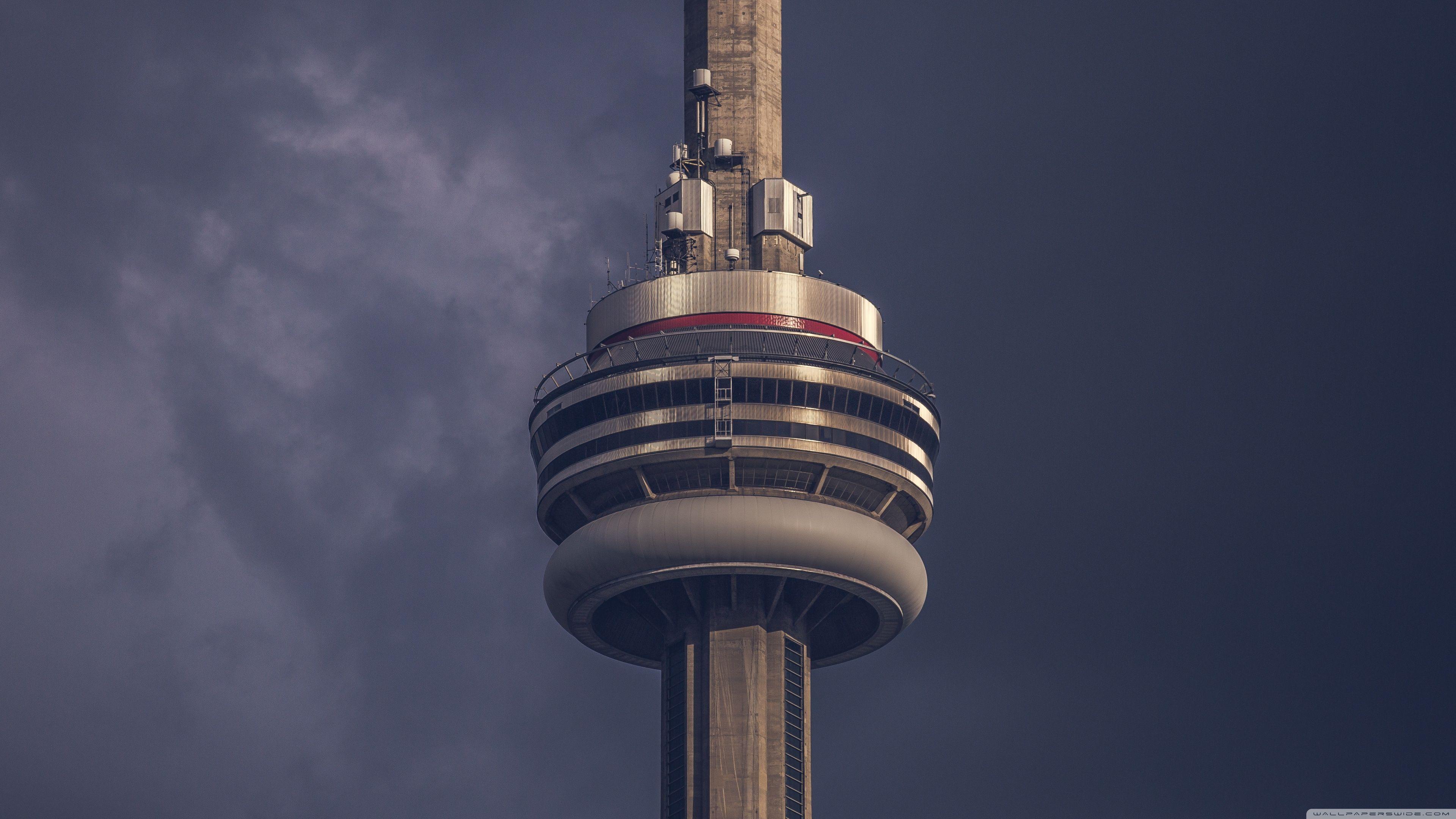
You’ve seen the image. Everyone has. It’s 2016, and Drake drops the cover for his fourth studio album, Views. There he is, the self-proclaimed "6 God," perched 1,815 feet in the air, legs dangling off the edge of the world’s most famous needle-shaped skyscraper.
It was a moment. A massive one.
The image immediately sparked a firestorm of "How did he do that?" and "Is he actually insane?" across every social platform. People were genuinely worried for Aubrey Graham’s safety. I mean, the wind up there? It’s enough to toss a grown man like a piece of paper. But as it turns out, the reality of Drake on the CN Tower is a lot less about death-defying stunts and a lot more about clever branding and a really good graphic designer.
The Truth About the View
Let’s get the big question out of the way: No, Drake did not actually sit on the edge of the CN Tower for that photo.
Honestly, it seems obvious now, but at the time, the hype was so real that people wanted to believe he’d pulled off the ultimate stunt. Shortly after the cover reveal, the official CN Tower Twitter account had to step in. They basically killed the magic by tweeting: "Proud Torontonian @Drake at the top of CN Tower with the help of some photoshop magic! #photoshopped #notreallythere."
It was a necessary buzzkill. The tower officials probably didn't want a bunch of teenagers trying to scale the structure to get the perfect Instagram shot.
Scale and Perspective
If you look closely at the cover—like, really closely—the math doesn't even work. The internet’s amateur detectives pointed out that if Drake were actually that size compared to the tower’s "Main Pod," he’d be roughly 15 feet tall.
The photo was actually a composite. The shot of the tower itself was taken by Toronto-based photographer Caitlin Cronenberg. She captured the structure in its moody, grey-skied glory, and then Drake was edited onto the ledge later. It was designed by Filip Pągowski, the same guy who created the famous Comme des Garçons heart logo.
Why the CN Tower Image Still Matters
So why do we still talk about it? It’s just a Photoshop job, right?
Kinda. But it's about the symbolism. By placing himself at the very peak of the city’s most recognizable landmark, Drake wasn't just making a cool cover; he was claiming ownership of Toronto. He spent years rebranding the city as "The 6," and this was the crowning achievement of that marketing campaign.
The CN Tower isn't just a tourist trap. For people in Toronto, it’s a compass. You’re never lost if you can see the needle. By sitting on it, Drake was telling the world he was the focal point of the entire region. It worked. Within hours of the reveal, the "Sitting Drake" meme was born. People photoshopped him onto the "Death Star," onto the shoulder of a giant Beyoncé, and even onto the hotline bling set.
The Replica Stunt
Drake loved the imagery so much that he didn't stop at the album cover. During his 2017 OVO Fest, he actually had a massive, 16-meter-high replica of the CN Tower built to scale on stage. He performed "Headlines" while standing on the pod of this fake tower.
It took a team in Las Vegas three weeks of round-the-clock work to build that thing. They had to ship it to Toronto in five separate tractor-trailers. That’s the level of commitment we’re talking about here. He wanted the fans to see him "on top" in real life, even if the actual skyscraper was a few miles away.
Behind the Lens with Caitlin Cronenberg
Working with a star like Drake isn't exactly a standard 9-to-5. Caitlin Cronenberg has mentioned in interviews that the process was about capturing a specific mood. The album Views is cold. It’s wintery. It’s introspective.
The cover reflects that. The grey sky, the slightly muted colors, and the sheer isolation of a lone figure sitting above the clouds—it all fits the "sad boy" aesthetic Drake perfected. Even though he wasn't physically there, the photo captured a feeling that resonated with millions of people.
Misconceptions and Rumors
- The "Stock Photo" Myth: For a while, there was a rumor that the tower shot was just a cheap stock photo from Shutterstock. That was debunked. It was a custom shot by Cronenberg.
- The EdgeWalk: Some people thought he used the "EdgeWalk" (the attraction where you walk outside the pod with a harness). While he could have done that, it wouldn't have given them the specific angle or the "dangling legs" look they wanted for the art.
- Safety Concerns: The tower's management was very quick to clarify the Photoshop aspect to avoid any "copycat" incidents.
Actionable Takeaways for Content and Branding
The story of Drake on the CN Tower is a masterclass in how to use a landmark to build a personal brand. If you’re looking to create something that sticks in the public consciousness, here’s what you can learn from it:
- Own your geography. Associate yourself with a specific place until the two are inseparable. Now, when people see the CN Tower, they think of Drake.
- Embrace the meme. Drake didn't fight the "Sitting Drake" memes; he leaned into them. Shareable, "remixable" content is the fastest way to go viral.
- Visual metaphors beat logic. Even though the scale was wrong and the photo was fake, the message (I am on top of this city) was loud and clear.
- Consistency is king. Use the same imagery across your tour sets, your merch, and your social media to hammer the point home.
If you’re ever in Toronto, you can take the elevator up to the 360 Restaurant or do the EdgeWalk. Just don't try to sit on the ledge like Aubrey. You’ll get a much less cool view from the back of a police cruiser.