You’ve seen the memes. Maybe you’ve stumbled across a grainy YouTube clip of a pale, bug-eyed man in a purple frock coat and thought, Wait, did I miss a Tim Burton movie? There is a weirdly persistent Mandela Effect floating around the internet that Crispin Glover—the king of cinematic discomfort—played Willy Wonka in a high-budget remake.
People swear he was in the running for the 2005 film. Others are convinced he played the role in some dark, R-rated indie version that never quite hit the mainstream.
Honestly? It's a bit of both, yet not at all what you’d expect.
Crispin Glover did play Willy Wonka. But he didn't do it for Tim Burton, and he didn't do it for a serious adaptation of Roald Dahl’s book. He did it for a movie that currently sits at a staggering 2% on Rotten Tomatoes.
The Epic Movie Confusion
In 2007, the parody machine was in full swing. Following the success of Scary Movie, directors Jason Friedberg and Aaron Seltzer released Epic Movie. It was a scattershot spoof of everything popular at the time: Narnia, Harry Potter, Pirates of the Caribbean, and, crucially, Tim Burton’s Charlie and the Chocolate Factory.
Glover was cast as the Wonka parody.
It’s an unsettling performance. While Johnny Depp’s Wonka was already weirdly detached and Mike-Television-hating, Glover’s version took the "creepy" dial and snapped it off. In this version, the candy is made of human parts. It's a dark, cannibalistic take that feels almost too "on brand" for Glover, which is probably why people remember it as a "real" role rather than a bit in a low-brow comedy.
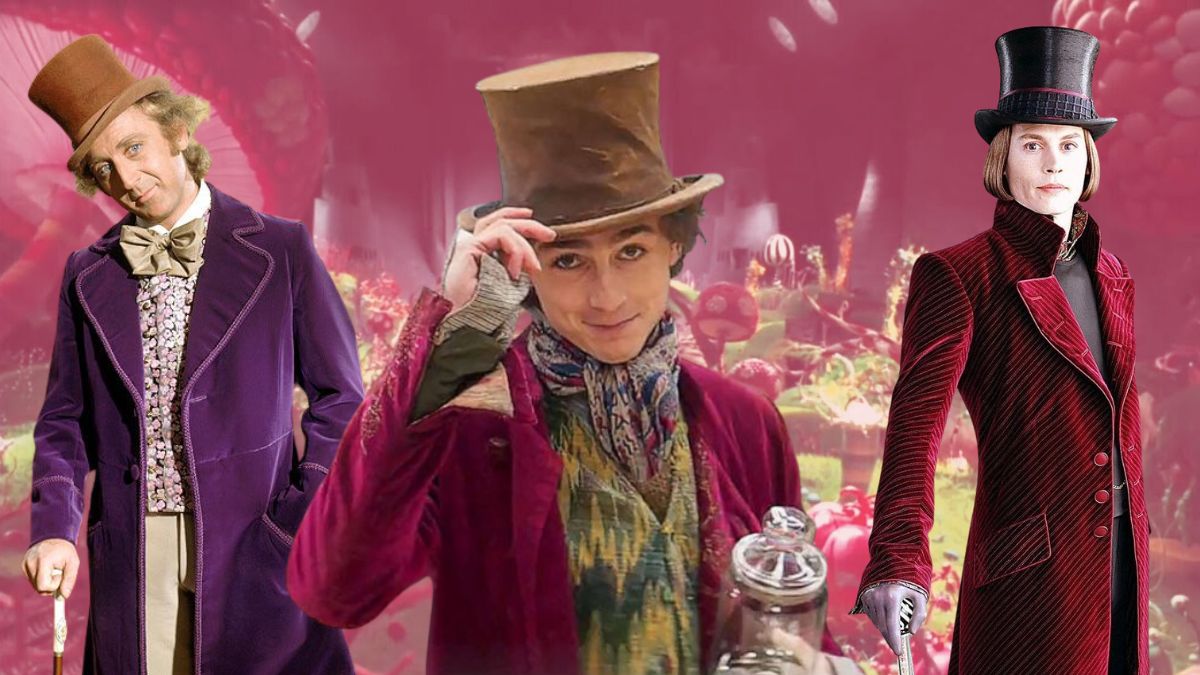
The costume was a dead ringer for the 1971 Gene Wilder suit, but the performance was pure Depp-mockery. He used a high-pitched, breathy voice and a manic energy that actually made the spoof scenes the only memorable part of an otherwise forgettable film.
Why Everyone Thought He Should’ve Been the Real Wonka
Before Johnny Depp donned the top hat, the 2005 casting process was a frenzy of rumors. Fans were vocal. They wanted someone who could capture the genuine threat of Willy Wonka—the man who stands by while children are sucked into pipes or expanded into blueberries.
Glover was the internet’s darling for the role.
Think about his career. He gave us the twitchy, socially paralyzed George McFly. He gave us the "Thin Man" in Charlie's Angels, a silent assassin who sniffs hair and screams like a banshee. He’s the guy who went on David Letterman in 1987 and nearly kicked the host in the face while wearing a wig and platform shoes.
He is Wonka. Or at least, the Wonka we imagine when we read the books as adults and realize how terrifying the character actually is.
The Tim Burton Connection
Ironically, Glover did eventually work with Tim Burton. Just not on the chocolate movie. He played the Knave of Hearts in Burton’s 2010 Alice in Wonderland.
Seeing him in a Burton-designed fantasy world only solidified the public’s belief that he belonged in the Wonka-verse. There's a certain visual language Burton uses—pale skin, exaggerated features, Gothic whimsy—that fits Glover like a glove.
The "Like Mike" Connection You Forgot
If you’re a 90s kid, you might have another reason for associating Glover with a Wonka-esque figure. In the 2002 film Like Mike, Glover played Stan Bittleman, a cruel orphanage director.
There’s a specific line in that movie where he tells the kids, "You're mine now."
Fast forward to Epic Movie. When Glover shows up as Wonka, he repeats that exact line to the orphans in the factory. It was a meta-joke for the three people in the audience who remembered a Lil' Bow Wow basketball movie, but it highlights how Glover has built a career out of playing these eccentric, proprietary figures who "own" spaces.
Reality Check: Did He Actually Audition?
Despite the fan campaigns, there is no public record of Glover ever officially auditioning for the 2005 Charlie and the Chocolate Factory. At the time, Warner Bros. was looking for a massive A-list name to justify the budget.
They looked at:
- Jim Carrey
- Nicolas Cage
- Adam Sandler
- Bill Murray
But the role was essentially tied to the Burton/Depp partnership from the start. Glover has often been outspoken about his distaste for "corporate propaganda" in filmmaking. He uses his paychecks from big movies like Charlie’s Angels to fund his own surrealist projects, like What Is It? and It Is Fine! Everything Is Fine. Taking a massive franchise lead like Wonka probably wouldn't have fit his "fine art" trajectory anyway.
What to Do With This Information
If you’re a fan of the darker side of Roald Dahl, don't just settle for the parody. To see what a "Glover Wonka" might have looked like, you have to look at his other work.
Watch Willard (2003): This is the closest you’ll get to seeing Glover lead a "creepy" mainstream film. He plays a man who communicates with rats. It has that same lonely, isolated, genius-on-the-edge vibe that Wonka requires.
Check out the Epic Movie clips (carefully): You don't need to watch the whole movie. Just find the factory scenes on YouTube. It’s a fascinating glimpse into a master actor treating a stupid script with 100% commitment.
Dive into his books: Glover doesn't just act. He creates "modified books" where he takes old 19th-century texts and redraws/rewrites them into fever dreams. This is the level of eccentricity the real Willy Wonka was supposed to have.
The "Crispin Glover Willy Wonka" myth persists because it makes sense. In a world of safe, sanitized reboots, the idea of an actor who is actually unpredictable playing a character who is legally a menace is a compelling "What If?"
The parody in Epic Movie is all we have, but in a way, its bizarre, cannibalistic darkness is more faithful to the spirit of the original book than any of the big-budget versions will ever be.
To truly understand Glover's unique brand of performance art, look for his "Big Slide Show" tours. He often travels to independent theaters to screen his films and perform live narrations. It’s the only way to see the man behind the myth without the filter of a Hollywood studio.